
Best time to visit Europe, Europe tour packages from India, Europe travel guide, Europe itinerary, Europe in summer, Europe in winter, best European countries to visit, Europe trip cost from India.
Introduction
Europe is one of the most beautiful and diverse travel destinations in the world. From the romantic streets of Paris and the canals of Venice to the Swiss Alps, the beaches of Greece and the historic cities of Prague, Europe offers something for every kind of traveller.
Whether you are planning a honeymoon, a family holiday, a summer vacation or your first international trip from India, Europe has endless experiences waiting for you.
However, one of the biggest questions travellers face is: Which European countries should you visit, and what is the best season to travel?
The answer depends on your interests, budget, weather preferences and the experiences you want to enjoy.
In this Europe travel guide by Soul Voyage, we explore the best places to visit in Europe, the ideal seasons for different destinations, the best months to travel and how to plan your European holiday from India.
1. Best Places to Visit in Europe
Europe has more than 40 countries, each offering a different culture, landscape, cuisine and travel experience. Here are some of the most popular destinations for Indian travellers.
1. Switzerland – Mountains, Lakes and Scenic Train Journeys
Switzerland is one of the most popular European destinations among Indian tourists, especially honeymoon couples and families.
It is famous for snow-covered mountains, beautiful lakes, picturesque villages and scenic train journeys.
Best places to visit in Switzerland:
- Interlaken – A beautiful base for exploring the Swiss Alps.
- Lucerne – Famous for its lake, Chapel Bridge and mountain views.
- Zurich – A vibrant city with shopping, museums and old-town attractions.
- Grindelwald – A stunning mountain village.
- Jungfraujoch – Known as the Top of Europe.
- Zermatt – Home to the iconic Matterhorn mountain.
Best time to visit: May to September for sightseeing, green landscapes and outdoor activities. December to March is ideal for snow experiences and winter sports.
2. France – Romance, Fashion and Iconic Attractions
France is an excellent destination for couples, families and travellers interested in history, architecture, fashion and food.
Paris is among the most visited cities in the world.
Best places to visit in France:
- Paris – Eiffel Tower, Louvre Museum, Seine River cruises and Notre-Dame area.
- Nice – Beautiful Mediterranean beaches.
- Cannes – Known for its film festival and coastal atmosphere.
- Lyon – Famous for food and architecture.
- Strasbourg – Picturesque streets and charming architecture.
- French Riviera – Beautiful coastal towns and luxury experiences.
Best time to visit: April to June and September to October for comfortable sightseeing. July and August are popular but generally busier.
3. Italy – History, Architecture and Beautiful Landscapes
Italy is a dream destination for travellers who love history, architecture, shopping and food.
From ancient Roman monuments to romantic canals and beautiful coastal villages, Italy offers a remarkable variety of experiences.
Best places to visit in Italy:
- Rome – Colosseum, Vatican City and Trevi Fountain.
- Venice – Grand Canal, gondola rides and historic architecture.
- Florence – Renaissance art and beautiful architecture.
- Milan – Fashion, shopping and the famous Duomo.
- Amalfi Coast – Stunning coastal scenery.
- Pisa – Famous for its Leaning Tower.
- Lake Como – Beautiful lakeside villages and luxury stays.
Best time to visit: April to June and September to October. July and August are warmer and often crowded.
4. Greece – Islands, Beaches and Mediterranean Beauty
Greece is particularly popular among honeymoon couples and travellers looking for beautiful islands and coastal experiences.
Its whitewashed buildings, blue-domed churches and spectacular sunsets make it one of Europe’s most photogenic destinations.
Best places to visit in Greece:
- Santorini – Famous for sunsets and white-and-blue architecture.
- Mykonos – Known for beaches and nightlife.
- Athens – Acropolis and ancient Greek history.
- Crete – Beautiful beaches and traditional villages.
- Rhodes – Historic architecture and coastal attractions.
Best time to visit: May to October. June and September are excellent months for balancing weather and crowds.
5. Austria – Alpine Beauty and Cultural Experiences
Austria is an excellent choice for travellers interested in mountains, music, historic cities and beautiful European architecture.
Best places to visit in Austria:
- Vienna – Palaces, museums and classical music.
- Salzburg – Famous for its old town and musical heritage.
- Innsbruck – Surrounded by the Alps.
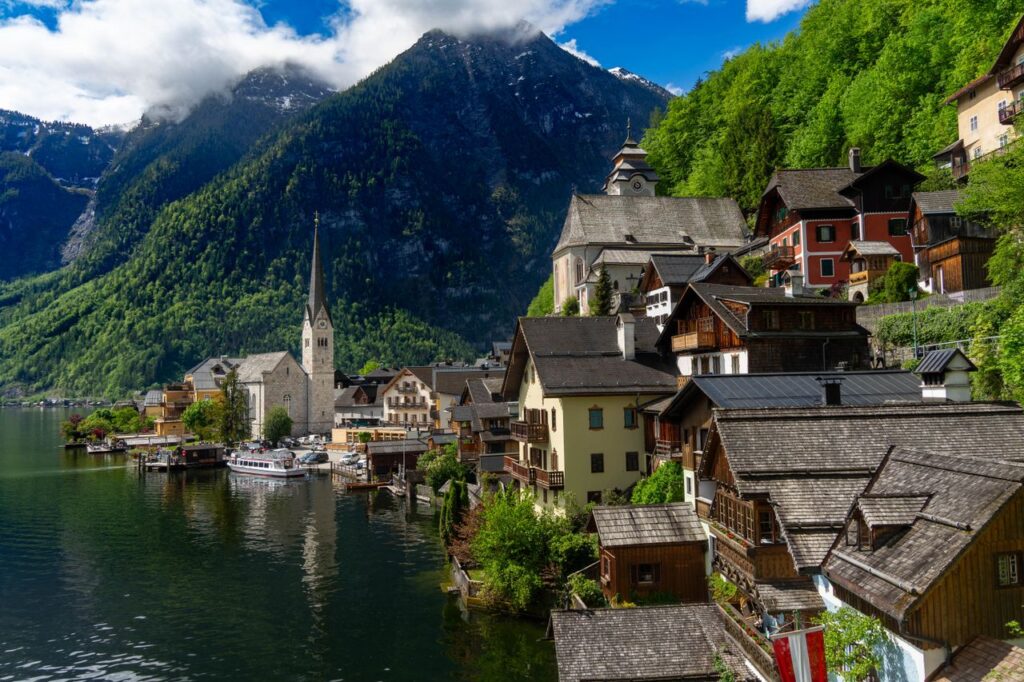
- Hallstatt – A picturesque lakeside village.
- Zell am See – Beautiful mountain and lake scenery.
Best time to visit: April to October for sightseeing. December to February is popular for winter experiences and snow activities.
6. Germany – Historic Cities and Modern Attractions
Germany offers a combination of historic towns, modern cities, castles and beautiful countryside.
Best places to visit in Germany:
- Berlin – History, museums and nightlife.
- Munich – Bavarian culture and traditional architecture.
- Frankfurt – Modern skyline and museums.
- Cologne – Famous cathedral and riverside experiences.
- Neuschwanstein Castle – One of Europe’s most photographed castles.
- Black Forest – Beautiful natural landscapes.
Best time to visit: May to September for sightseeing and outdoor experiences. December is particularly popular for Christmas markets.
7. Netherlands – Canals, Windmills and Tulip Gardens
The Netherlands is famous for its beautiful canals, cycling culture, historic architecture and colourful tulip fields.
Best places to visit in the Netherlands:
- Amsterdam – Canals, museums and historic neighbourhoods.
- Keukenhof – Famous spring flower gardens.
- Rotterdam – Modern architecture.
- Utrecht – Beautiful canals and historic streets.
- Zaanse Schans – Traditional windmills and Dutch heritage.
Best time to visit: March to May for spring flowers and tulip season. June to September is ideal for pleasant sightseeing weather.
8. Spain – Beaches, Architecture and Vibrant Culture
Spain is an excellent destination for travellers who enjoy beaches, nightlife, architecture and food.
Best places to visit in Spain:
- Barcelona – Sagrada Familia, Park Güell and beaches.
- Madrid – Museums, shopping and royal architecture.
- Seville – Traditional Spanish architecture and culture.
- Valencia – Beaches and modern attractions.
- Ibiza – Famous for nightlife and beach clubs.
- Granada – Home to the magnificent Alhambra.
Best time to visit: April to June and September to October. July and August can be very hot, particularly in southern Spain.
9. Czech Republic – Fairytale Architecture and Affordable Travel
The Czech Republic is a wonderful destination for travellers looking for historic architecture and charming European streets.
Best places to visit:
- Prague – Charles Bridge, Prague Castle and Old Town Square.
- Český Krumlov – A picturesque medieval town.
- Karlovy Vary – Known for thermal springs and elegant architecture.
Best time to visit: April to June and September to October. December is popular for Christmas markets.
10. Hungary – Beautiful Architecture and Thermal Baths
Hungary is particularly popular among travellers exploring Central Europe.
Best places to visit:
- Budapest – Parliament Building, Buda Castle and Danube River cruises.
- Lake Balaton – A popular summer destination.
- Eger – Historic town and castle.
Best time to visit: April to June and September to October. Summer is also popular for outdoor activities.
2. Best Time to Visit Europe: Month-by-Month Guide
Europe experiences four distinct seasons, and every season offers a different travel experience.
Choosing the right month can make a significant difference to your holiday.
March – April: Spring Begins
Spring is when many European destinations start becoming colourful again.
What to expect:
- Pleasant temperatures in many destinations.
- Flowers and gardens begin blooming.
- Longer daylight hours.
- Fewer crowds than peak summer in some destinations.
Best destinations:
- Netherlands for tulip season.
- Paris for spring sightseeing.
- Rome for historic attractions.
- Spain for comfortable city exploration.
Ideal for: Couples, photographers and travellers who prefer moderate weather.
May – June: One of the Best Times for Europe
May and June are among the most attractive months for a European holiday.
What to expect:
- Pleasant weather in much of Europe.
- Beautiful green landscapes.
- Longer daylight hours.
- Good conditions for sightseeing and outdoor activities.
Best destinations:
- Switzerland.
- France.
- Italy.
- Austria.
- Netherlands.
- Germany.
Ideal for: First-time European travellers, families and honeymoon couples.
July – August: Peak Summer Season
Summer is the busiest travel season in Europe.
What to expect:
- Longer daylight hours.
- Warm temperatures.
- Beach activities and island holidays.
- Numerous festivals and outdoor events.
- Higher demand for flights and accommodation.
Best destinations:
- Switzerland for mountain experiences.
- Greece for island holidays.
- Italy for coastal destinations.
- France for city and countryside exploration.
- Austria for alpine scenery.
Ideal for: Families travelling during school holidays, beach lovers and travellers looking for summer experiences.
Travel tip: Book flights, hotels and popular attractions well in advance.
September – October: Beautiful Autumn Season
September and October are excellent months for travelling to many European destinations.
What to expect:
- Fewer tourists in several popular destinations.
- Comfortable sightseeing weather in many regions.
- Beautiful autumn colours.
- Potentially better hotel availability after peak summer.
Best destinations:
- Italy.
- France.
- Switzerland.
- Spain.
- Greece.
- Portugal.
Ideal for: Couples, photographers and travellers seeking a more relaxed holiday.
November – December: Winter and Christmas Markets
Europe starts transforming into a winter destination during these months.
What to expect:
- Colder weather.
- Shorter daylight hours.
- Christmas markets.
- Festive decorations.
- Snowfall in selected mountain regions.
Best destinations:
- Germany for Christmas markets.
- Austria for winter scenery.
- Switzerland for snow experiences.
- Czech Republic for festive Prague.
- France for Christmas shopping and decorations.
Ideal for: Couples, families and travellers looking for festive experiences.
January – February: Snow and Winter Adventures
These months are popular among travellers who enjoy winter activities.
What to expect:
- Cold temperatures.
- Snow in many alpine destinations.
- Skiing and snowboarding.
- Winter landscapes.
- Fewer crowds in some major cities.
Best destinations:
- Switzerland.
- Austria.
- France.
- Germany.
- Italy’s Dolomites.
Ideal for: Snow lovers, adventure travellers and winter holiday enthusiasts.
3. Europe Seasons at a Glance
| Season | Months | Best experiences |
|---|---|---|
| Spring | March–May | Flowers, sightseeing and pleasant weather |
| Summer | June–August | Beaches, mountains and outdoor activities |
| Autumn | September–November | Scenic landscapes and comfortable sightseeing |
| Winter | December–February | Snow, skiing and Christmas markets |
Remember that weather varies considerably between Northern, Southern and Central Europe. For example, Greece can be warm in October while Switzerland may already experience early winter conditions at higher altitudes.
4. Which European Countries Should Indians Visit for the First Time?
If this is your first Europe trip from India, selecting the right combination of countries is important.
You should ideally choose destinations that are geographically close and well connected by flights or trains.
Here are some popular combinations:
Option 1: Switzerland, France and Italy
Ideal duration: 10–12 days.
This combination is excellent for first-time travellers who want to experience iconic European attractions.
Suggested highlights:
- Paris and Eiffel Tower.
- Lucerne and Interlaken.
- Rome and Venice.
- Scenic Swiss train journeys.
Option 2: France, Switzerland and Austria
Ideal duration: 10–12 days.
A good combination for couples and families interested in beautiful landscapes, historic cities and mountain experiences.
Option 3: Italy, Switzerland and Germany
Ideal duration: 10–12 days.
This itinerary combines historic attractions, alpine landscapes and modern European cities.
Option 4: Netherlands, Belgium, France and Germany
Ideal duration: 10–12 days.
Ideal for travellers who enjoy city exploration, architecture, museums, shopping and European culture.
Option 5: Greece and Italy
Ideal duration: 9–12 days.
An excellent choice for honeymoon couples looking for romantic coastal destinations, historic attractions and island experiences.
5. How Much Does a Europe Trip Cost from India?
The cost of travelling to Europe depends on your travel season, destination selection, hotel category, flight bookings, transportation and sightseeing preferences.
Major expenses include:
- Return international flights from India.
- Accommodation.
- Visa fees.
- Travel insurance.
- Intercity trains and flights.
- Local transportation.
- Meals.
- Attraction tickets.
- Shopping and personal expenses.
Switzerland, Norway, Iceland and several popular Western European cities can be relatively expensive.
Countries such as Hungary, Czech Republic and Poland can offer comparatively affordable accommodation and dining options.
For an accurate holiday budget, consider your travel dates, number of travellers and preferred hotel category before finalising your itinerary.
6. Important Things Indian Travellers Should Know Before Visiting Europe
Schengen Visa
Many European countries are part of the Schengen Area, allowing eligible travellers to visit multiple member countries using one Schengen visa.
However, not every European country is part of the Schengen Area.
Apply through the appropriate country based on your main destination and the applicable visa rules.
Currency
The Euro is used by many European countries, but not all.
For example:
- Switzerland uses the Swiss Franc.
- Hungary uses the Hungarian Forint.
- Czech Republic uses the Czech Koruna.
- Poland uses the Polish Zloty.
Carry an international card and some local currency.
Food for Indian Travellers
Indian restaurants are available in many major European cities.
Vegetarian options are also available, but availability can be limited in smaller towns and rural regions.
Research restaurants in advance if you follow a strict vegetarian or Jain diet.
Transportation
Europe has an extensive transportation network.
You can travel using:
- High-speed trains.
- Regional trains.
- Metro systems.
- Buses.
- Domestic flights.
- Rental cars.
Book popular long-distance train journeys early, particularly during summer.
Clothing
Your clothing requirements depend on the season.
For summer, carry breathable outfits, comfortable walking shoes and sunglasses.
For winter, carry thermal wear, warm jackets, gloves, scarves and waterproof footwear.
7. Best European Destinations Based on Your Travel Interests
| Travel Interest | Recommended Destinations |
|---|---|
| Honeymoon | Switzerland, Italy, Greece, France |
| Family holiday | Switzerland, France, Germany, Austria |
| Snow experiences | Switzerland, Austria, France |
| Beaches | Greece, Spain, Italy, Croatia |
| Shopping | Paris, Milan, London, Madrid |
| History and culture | Italy, Greece, France, Czech Republic |
| Budget-friendly travel | Hungary, Czech Republic, Poland |
| Scenic train journeys | Switzerland, Austria, Italy |
| Christmas markets | Germany, Austria, Czech Republic |
| Photography | Switzerland, Italy, Greece, Netherlands |
8. How Many Days Are Enough for a Europe Trip?
For Indian travellers, the ideal duration depends on the number of countries you want to explore.
- 7 days: One or two countries.
- 10 days: Two to three countries.
- 12–14 days: Three to four countries.
- 15–20 days: A more comprehensive European holiday.
Avoid trying to cover too many countries in a short period. You may spend more time travelling between cities than actually enjoying them.
A well-planned itinerary with fewer destinations is usually more rewarding.
9. Common Mistakes to Avoid When Planning a Europe Holiday
- Trying to visit too many countries in one trip.
- Booking hotels far away from city centres without checking transport.
- Not checking Schengen visa requirements.
- Underestimating intercity travel time.
- Not booking popular attractions in advance.
- Carrying unsuitable clothes for the season.
- Not checking local currency requirements.
- Ignoring local public transport passes.
- Planning outdoor activities without considering weather.
- Not purchasing appropriate travel insurance.
10. Frequently Asked Questions About Travelling to Europe from India
Q1. Which month is best to visit Europe from India?
May, June and September are excellent months for many European destinations because of generally pleasant weather and good sightseeing conditions.
However, the best month depends on whether you prefer beaches, mountains, snow or city experiences.
Q2. Which European country is best for first-time Indian travellers?
Switzerland, France and Italy are among the most popular choices for first-time visitors because of their iconic attractions, scenic landscapes and tourism infrastructure.
Q3. Is Europe expensive for Indian tourists?
Europe can be expensive, particularly in Switzerland and popular Western European cities. However, your overall budget depends on hotel selection, destination combinations, transport and travel season.
Q4. Is summer or winter better for visiting Europe?
Summer is better for sightseeing, beaches and outdoor activities. Winter is ideal for snow experiences, skiing and Christmas markets.
Q5. Which European countries are best for honeymoon couples?
Switzerland, Italy, France and Greece are excellent honeymoon destinations, offering romantic hotels, scenic landscapes and memorable experiences.
Q6. Can Indians visit multiple European countries with one visa?
Eligible Indian travellers can visit multiple Schengen countries using a valid Schengen visa, subject to the visa’s validity and conditions. Some European countries are outside the Schengen Area and have separate entry requirements.
Q7. Is vegetarian food available in Europe?
Yes. Vegetarian food is available in major cities, and Indian restaurants are common in several tourist destinations. However, planning ahead is recommended, particularly in smaller towns.
Q8. How much money should I carry for Europe?
Your spending budget depends on the number of days, destinations, accommodation and activities. Carry an international card and some local currency for smaller purchases.
Conclusion: Plan Your Dream Europe Holiday at the Right Time
Europe is a destination that offers something for everyone, whether you want to experience the snow-covered mountains of Switzerland, the romantic streets of Paris, the historical beauty of Rome, the islands of Greece or the festive atmosphere of Germany.
The secret to a memorable Europe holiday is choosing the right destinations and travelling during the season that matches your interests.
If you are visiting Europe for the first time, May, June and September are excellent months to consider for a combination of sightseeing and comfortable weather across many popular destinations.
Start planning early, choose your country combinations carefully and make the most of your European adventure.
Plan Your Europe Holiday with Soul Voyage
At Soul Voyage – Tour & Travel, we specialise in planning memorable international holidays for Indian travellers.
From Switzerland and France to Italy, Greece, Austria and beyond, our team helps you design customised European itineraries with carefully selected hotels, flights, sightseeing, transfers and travel assistance.
Whether you are planning a romantic honeymoon, a family vacation or your first European adventure, we can help create a holiday that matches your budget and preferences.
Travel Beyond Boundaries with Soul Voyage!
Website: https://soulvoyage.in
Call/WhatsApp: +91 8448348987