Soul Voyage Travel Guide to Japan
Japan Visa Process for Indians
Planning a trip to Japan in 2026?
In this detailed Japan Visa Guide 2026, we explain the complete Japan Visa Process for Indian passport holders, including required documents, visa fees, VFS process, eVisa, application procedure and processing time.
From understanding the Japan tourist visa requirements to preparing your documents and submitting your application through the Japan Visa Application Centre, this video covers everything you need to know before applying.
In this video, we explain the Japan Tourist Visa process step-by-step, including passport requirements, visa application form, photographs, bank statements, ITR/income documents, employment proof, travel itinerary, hotel bookings, flight details, cover letter and other supporting documents.
Whether you are planning a Japan honeymoon, family holiday, couple trip, solo trip or your first Japan vacation, this guide will help you understand the visa process before starting your application.
Frequently Asked Questions About Japan
Do Indian passport holders need a visa for Japan, and what is the application process?
Yes. Indian ordinary passport holders generally need a visa before travelling to Japan for tourism. Apply through the Japan visa application process applicable in India and use the official Embassy/VFS instructions for the current document list, fees and appointment requirements.
When should I apply for a Japan visa and how long can processing take?
Apply well before travel rather than waiting for the last few days. Keep your passport, photograph, application form, itinerary, accommodation details, financial documents and other supporting papers ready, and always follow the latest Embassy/VFS processing guidance.
What is the best season to visit Japan?
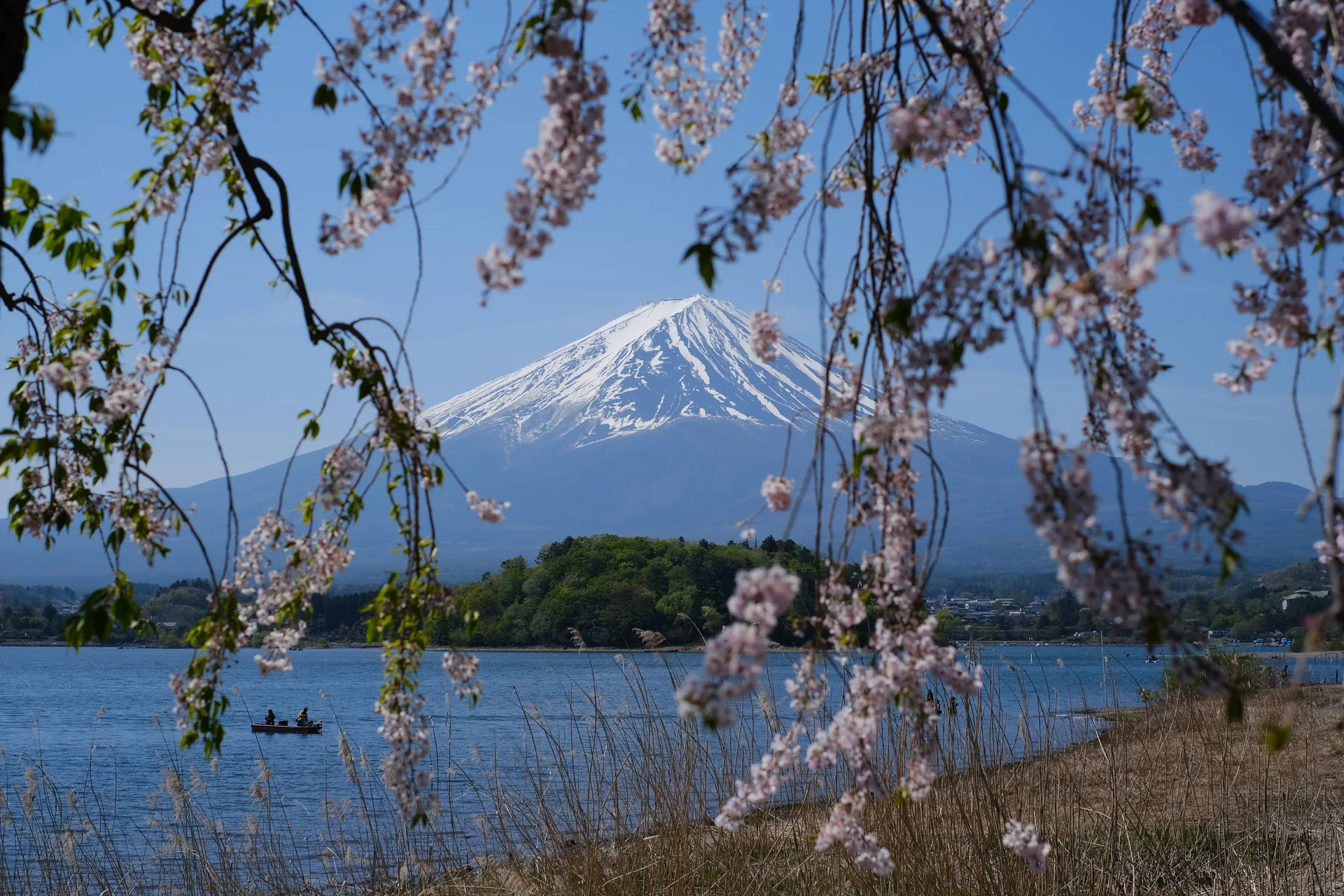
Spring and autumn are especially popular for comfortable weather and scenery. Summer is warmer and more humid, while winter is colder but excellent for snow destinations; your ideal season depends on whether you want cherry blossoms, autumn colours, skiing or city sightseeing.
What clothes and footwear should I pack for Japan?
Pack comfortable walking shoes, layers and weather-appropriate outerwear. Add a compact umbrella/rain jacket, universal adapter, power bank and any medicines you regularly use; winter trips require substantially warmer clothing, especially for northern Japan.
How should I travel between Tokyo, Kyoto and Osaka?
Use the Shinkansen for major city-to-city journeys and local trains/subways within cities. Reserve popular Shinkansen services where appropriate, and allow extra time for station transfers and luggage.
Do I need a Suica/IC card, rail pass or other transport pass?
An IC card such as Suica/PASMO is very convenient for local transport where accepted. A nationwide JR Pass is not automatically the best value; compare the cost of the actual long-distance journeys with any pass before buying.
How much cash should I carry, and can I use international cards?
Carry a combination of Japanese Yen and international cards. Cards are widely useful, but cash can still be needed at smaller establishments and some local services, so do not travel completely cashless.
Will vegetarian, Jain and Indian food be easy to find?
Vegetarian food is available, but hidden ingredients such as fish-based dashi can matter. Jain and strict vegetarian travellers should research restaurants in advance and clearly communicate dietary restrictions.
What SIM/eSIM, apps, travel insurance and other essentials should I arrange before departure?
Arrange an eSIM/SIM, travel insurance and useful apps such as Google Maps and Google Translate before departure. Also check luggage rules, attraction reservations and hotel luggage-forwarding options if your itinerary involves several cities.